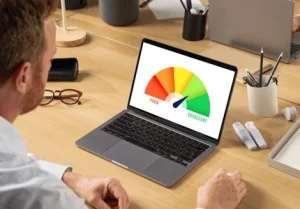
Find out how to calculate your debt-to-income ratio and when to walk away from a loan offer.
Financial liquidity is a double-edged sword. In a market where credit is ubiquitous, the temptation to bridge every financial gap with a personal loan is high. However, borrowing money is a commitment of your future time and income. Nowadays, interest rates have stabilized but remain significantly higher than the historic lows of the previous decade, and the “cost of waiting” is often far lower than the “cost of borrowing.”
Knowing when to walk away from a loan offer is just as important as knowing how to find a good one. Here are the definitive situations where taking out a loan is a strategic mistake.
Financing “Wants” Instead of “Needs”
The most common financial trap is using debt to fund a lifestyle you cannot yet afford. If the purpose of the loan is discretionary, it is almost always a bad idea.
- Vacations and Luxury Travel: Taking out a $5,000 loan for a one-week getaway might seem tempting, but with interest rates on personal loans averaging 12% to 15% in the current market, you could end up paying back over $6,500 for a trip that lasted seven days.
- Electronics and Gadgets: Financing the latest smartphone or a high-end gaming PC via a personal loan is a losing game. These assets depreciate the moment they leave the store, while your debt grows every month.
- Weddings: Starting a marriage with a five-year debt obligation for a one-day event puts immense structural pressure on a new household.
When Your Debt-to-Income (DTI) Ratio is Redlining
Lenders use the Debt-to-Income (DTI) ratio as a primary metric for your financial health. This is calculated as:
DTI = (Total Monthly Debt Payments / Gross Monthly Income) x 100
If your DTI is already approaching 36% to 43%, taking on another loan is a massive red flag. Even if a lender approves you, doing so leaves you with zero “margin for error.” A single car repair or a medical co-pay could trigger a default cycle because your entire paycheck is already spoken for by creditors.
High-Interest Debt Consolidation Without a Plan
Consolidating high-interest credit card debt into a lower-interest personal loan is a smart move only if the root cause of the debt has been addressed.
The Danger Zone: Many borrowers take out a consolidation loan, pay off their credit cards, and then proceed to max out those same cards again. This results in “double debt”—the original loan plus new revolving balances.
If you haven’t fixed your spending habits or created a sustainable budget, a loan is just a temporary bandage on a deep financial wound.
Borrowing for “Get Rich Quick” Investments
Using borrowed money to invest—often called “leveraging”—is extremely risky for individual consumers.
- Stocks and Crypto: Lenders often strictly prohibit using personal loan funds for the stock market. More importantly, if your investment drops by 20%, you still owe 100% of the loan plus interest.
- Speculative Business Ventures: Unless you have a bulletproof business plan and are using specific small business financing, using a high-interest personal loan to “try out” a business idea is a recipe for personal bankruptcy.
Identifying Predatory Terms
The regulatory environment has tightened, but “junk fees” and predatory lenders still exist. You should walk away if you see:
- Triple-Digit APRs: Some “short-term” or “payday” loans carry Annual Percentage Rates (APR) exceeding 100%. These are designed to keep you in a cycle of debt.
- Prepayment Penalties: If a lender charges you a fee for paying off your loan early, they are effectively punishing you for being financially responsible.
- “No Credit Check” Promises: These loans almost always come with astronomical interest rates and hidden fees that far outweigh the convenience.