Navigating the Apple Card Transition from Goldman to Chase.
The Apple Card is currently undergoing its most significant shift since its 2019 launch. After months of speculation, it is official: JPMorgan Chase is stepping in to replace Goldman Sachs as the issuing bank.
For current cardholders, this transition, announced in early January 2026, is designed to be a “behind-the-scenes” move, but there are critical details every user should track to ensure their credit and rewards remain protected.
Why the Switch?
Goldman Sachs’ exit was a strategic “narrowing of focus.” The bank reportedly lost billions on the consumer segment, partly due to the Apple Card’s lack of fees and high approval rates for “near-prime” borrowers.
For Chase, this is a massive win. They gain access to millions of digitally native, premium users and further solidify their position as the #1 credit card issuer in the U.S.
The Timeline: When Does it Happen?
The transition is not an overnight switch. Apple and Chase have confirmed a 24-month migration period.
- Phase 1 (Current): Goldman Sachs remains the active issuer. You will continue to see their name on your statements, and they are still responsible for customer service and payment processing.
- Phase 2 (Late 2027/Early 2028): The $20 billion portfolio, including all outstanding balances, will formally move to Chase’s systems.
- The Takeaway: You do not need to reapply. Your account will migrate automatically when the time comes.
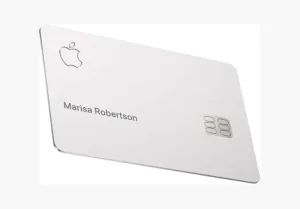
- What to do now: Nothing. You can continue using your physical titanium card and Apple Pay exactly as you do today.
What Stays the Same?
Apple has fought to keep the “core DNA” of the card intact during negotiations with Chase. The following features are confirmed to remain:
- The Rewards: You will still earn 3% Daily Cash at Apple and select partners, 2% on all Apple Pay purchases, and 1% on everything else.
- Zero Fees: The hallmark “no fees of any kind” promise (no annual, late, or foreign transaction fees) is staying.
- The Experience: Management will remain centered in the iPhone Wallet app, with the same privacy-focused interface.
- The Network: The card will continue to run on the Mastercard network, ensuring your physical titanium card remains accepted globally.
The Big Change: Apple Savings Accounts
One of the most complex parts of this deal involves the high-yield Apple Savings account.
- Chase vs. Goldman: While Apple Card balances will transfer to Chase automatically, Apple Savings accounts will not.
- User Action Required: Existing users will likely have to decide whether to stick with a standalone Goldman Sachs account or open a new, integrated savings product with Chase.
- The Catch: Chase traditionally offers lower interest rates on standard savings. It remains to be seen if they will match the high APY (Annual Percentage Yield) that Goldman Sachs provided to keep users in the ecosystem.
Credit Impact and Reporting
This is the “technical” part that blog readers need to watch closely.
- New Trade Line: Once the migration is complete, your credit report will update. The entry for “APPLE CARD – GS BANK” will likely be marked as closed or transferred, and a new entry for “CHASE” will appear.
- Account Age: Apple and Chase are working to ensure that your original account opening date is preserved. This is vital for maintaining the “length of credit history” portion of your FICO® score.
- Credit Limits: Chase is acquiring the portfolio at a discount due to higher-than-average delinquency rates. While most users won’t see a change, Chase may be more conservative with future credit limit increases compared to Goldman’s initial aggressive growth strategy.
What to Do Now?
The good news is that for most users, “doing nothing” is actually the correct strategy. However, to ensure a smooth transition, keep these three action items in mind:
You can continue to use your physical titanium card and Apple Pay exactly as you do today. Your 3% Daily Cash, 0% installments, and fee-free structure are locked in.
- Monitor Your Savings: If you have an Apple Savings account, keep a close eye on the interest rate (APY). While Goldman Sachs currently manages these funds, Chase may offer a different savings product as the transition nears. You aren’t required to move your money yet, but stay alert for a “choice” notification in the Wallet app later this year.
- Keep Your Info Current: Ensure your email and physical address are up to date in the Apple Wallet settings.